


Roof Insulation Cost
Select Your Area Below to Contact a Professional:
Are you tired of living in a house that is either too cold in winter or too hot in summer? Have you considered the benefits of roof insulation in South Africa? Insulating your roof can help you maintain a comfortable temperature in your home all year round, reduce energy bills, and minimize your carbon footprint. This article will provide you with an overview of roof insulation, its benefits, the different types available, and how to install it.
What is Roof Insulation?
Roof insulation is a type of material that is installed in the roof or attic of a building to reduce the transfer of heat between the indoor and outdoor environments. It helps to keep the indoor temperature comfortable and reduces energy costs for cooling and heating.
Insulation materials work by slowing down the transfer of heat between two areas, thus reducing heat loss during cold weather and preventing heat from coming in during hot weather. This makes roof insulation an effective way to maintain a comfortable temperature inside a building while reducing the use of heating and cooling appliances, which ultimately leads to energy and cost savings.
Benefits of Roof Insulation in South Africa
There are several benefits to insulating your roof in South Africa:
- Temperature Control: Helps keep your home cool in summer and warm in winter by preventing the transfer of heat between the inside and outside of your home. This can result in a more comfortable living environment and reduce the need for air conditioning or heating.
- Energy Efficiency: This can significantly reduce the amount of energy required to heat or cool your home, resulting in lower energy bills. It also reduces the strain on your HVAC system, extending its lifespan and reducing maintenance costs.
- Noise Reduction: Help reduce noise levels in your home by blocking outside noises from entering your living space. This is especially beneficial if you live in a noisy neighborhood or near a busy road.
- Environmental Benefits: Reducing the amount of energy required to heat or cool your home also reduces your carbon footprint, making your home more environmentally friendly.
Types of Roof Insulation in South Africa
There are several types of roof insulation available in South Africa. The most common types are:
1. Fiberglass Insulation
Fiberglass insulation is made from small glass fibers and is one of the most popular types of insulation. It is affordable, easy to install, and highly effective at reducing heat transfer.
2. Cellulose Insulation
Cellulose insulation is made from recycled paper and is treated with fire-retardant chemicals. It is an environmentally friendly option and has excellent insulating properties.
3. Spray Foam Insulation
Spray foam insulation also known as expanding foam is made from a combination of chemicals that expand and harden when sprayed onto a surface. It provides excellent insulation, is long-lasting, and can help prevent mold and mildew growth.
4. Reflective Insulation
Reflective insulation is made from a layer of aluminum foil that reflects heat back into your home. It is an affordable option and is effective at reducing heat transfer.
Cost of Roof Insulation in South Africa
The cost of roof insulation in South Africa can vary depending on various factors such as the size of the roof, the type of insulation material, and the installation method used. On average, the cost of roof insulation in South Africa ranges from around R50 to R120 per square meter.
Some of the most commonly used insulation materials in South Africa include fiberglass, cellulose, and polyester.
- Fiberglass costs around R80 to R120 per square meter.
- Cellulose costs around R70 to R90 per square meter.
- Polyester costs around R90 to R130 per square meter.
It’s important to note that the cost of installation is typically included in the overall cost of roof insulation. However, the cost of installation can vary depending on the complexity of the job and the amount of time it takes to complete.
How is Roof Insulation Installed?
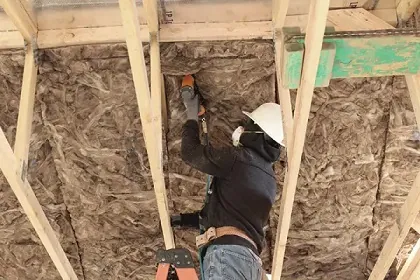
Roof insulation can be installed in several ways depending on the type of insulation material being used and the structure of the roof. Here are some of the most common methods:
- Blanket: Its a type of insulation material that is designed to be rolled out like a blanket or mat. It is typically made from fiberglass, mineral wool, or natural fibers like wool or cotton. It’s designed to be rolled out like a blanket or mat. It is typically made from fiberglass, mineral wool, or polyester.
- Batt: Involves installing pre-cut insulation material, such as fiberglass, between the rafters of the roof cavity. This method is typically used for roofs with standard sized spaces between rafters.
- Spray foam: Spraying a liquid foam material onto the underside of the roof. The foam then expands and hardens, creating a barrier against heat transfer.
- Blown-in: This method involves blowing loose insulation material, such as fiberglass or cellulose, into the roof cavity using a special machine. This allows the material to fill the cavity and create a barrier against heat transfer.
The installation method used will depend on various factors, including the type of insulation material being used, the size and shape of the roof cavity, and the accessibility of the roof area. It’s important to hire a professional insulation contractor to ensure that the insulation is installed properly and effectively.
Is It Environmentally Friendly?
Roof insulation can be environmentally friendly as it helps to reduce energy consumption and greenhouse gas emissions. By reducing heat transfer, roof insulation reduces the need for heating and cooling appliances, which in turn reduces energy consumption and lowers greenhouse gas emissions from electricity generation.
In addition, some types of insulation materials are made from environmentally friendly materials, such as recycled materials or natural fibers like wool or cotton.
Furthermore, proper insulation can help to improve the energy efficiency of a building, reducing the overall carbon footprint and environmental impact. This is especially important in regions with extreme temperatures, where the use of heating and cooling appliances can have a significant impact on energy consumption and emissions.
How Long Does Roof Insulation Last?
The lifespan of roof insulation can vary depending on several factors, including the type of material used, the quality of installation, and the environmental conditions the insulation is exposed to.
In general, most types of materials have a lifespan of 20-30 years or more, provided they are installed and maintained properly. Some materials, such as spray foam insulation, can last even longer with proper care.
However, it’s important to note that insulation can become less effective over time as it may settle or become compressed, reducing its thermal resistance. In addition, moisture or water damage can also degrade insulation over time, making it less effective.
To ensure the longevity and effectiveness of roof insulation, it’s important to have it installed by a professional insulation contractor who is experienced in the specific type of insulation material being used. It’s also important to have the insulation inspected regularly for signs of damage or wear, and to address any issues promptly to prevent further damage.
Conclusion
Roof insulation is a cost-effective and environmentally friendly way to keep your home comfortable all year round while reducing energy bills and your carbon footprint. There are several types of insulation available, and the installation process can be done through retrofit or new construction. Make sure to consult a professional insulation contractor to determine which type of insulation is best for your home.
FAQS
How do I know if my home or building needs insulation?
If your home or building is too hot in the summer or too cold in the winter, your energy bills are high, or your heating and cooling equipment are constantly running, you may need insulation. A professional energy audit can help determine if your home or building needs insulation.
How much insulation do I need?
The amount of insulation you need depends on several factors, including the climate, location, and type of heating and cooling system. The Department of Energy provides guidelines for recommended insulation levels based on these factors.
Roof Insulation Cost
Select Your Area Below to Contact a Professional: